Industry knowledge
Why Material Selection Directly Determines Shoulder Screw Performance
Unlike standard fasteners, shoulder screws (also known as stripper bolts) bear both axial and radial loads during precise motion guidance. The material must balance surface hardness and core toughness. For high-cycle industrial applications, we at Suzhou Anzhikou Hardware Technology Co., Ltd. typically recommend alloy steel (e.g., 40Cr or 42CrMo) heat-treated to HRC 48–52 on the shoulder, while the thread remains at HRC 32–36 to avoid brittleness. Using inferior materials like low-carbon steel without proper heat treatment results in premature thread stripping or shoulder deformation, directly compromising tooling precision.
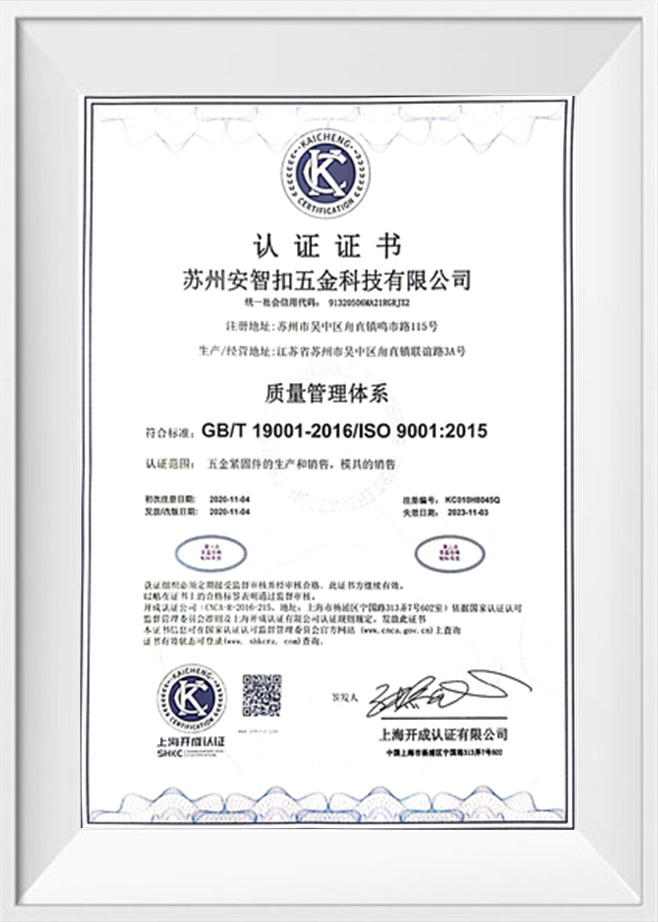
For corrosive environments, stainless steel (303/304 or 410 for higher hardness) becomes necessary. However, note that stainless steel shoulder screws have approximately 15–20% lower shear strength than alloy steel equivalents – a critical trade-off to discuss with your engineering team. With 20 years of non-standard screw customization experience, we always provide material test certificates showing actual hardness and composition.
Step Screw Tolerances: The Difference Between Assembly and Breakdown
Precision lies in the perpendicularity and concentricity between the threaded section and the stepped bearing surface. For step screws, industry standards (DIN or ISO) often leave a concentricity tolerance of 0.05–0.1mm, but for automated assembly jigs or mold applications, we recommend specifying 0.02mm maximum. Why? Even 0.05mm misalignment amplifies into uneven clamping force and accelerated bushing wear.
A practical checklist for evaluating step screw quality:
- Measure the step face runout using a dial indicator – accept zero reading beyond 0.02mm per 10mm of step length.
- Verify thread class (e.g., 6g or 6h) matches the mating tapped hole – over-tightening due to mismatched threads is a common failure mode.
- Inspect the fillet radius under the step head – sharp corners invite stress fractures. Our custom step screws incorporate controlled radii per customer drawings.
And speaking from our workshop floor: "Quality first, continuous innovation" means we reject batches if step face parallelism deviates beyond 0.01mm – that’s the Anzhikou Hardware commitment to your repeatable assembly precision.
When to Specify Shoulder Screws vs. Step Screws in Tooling Design
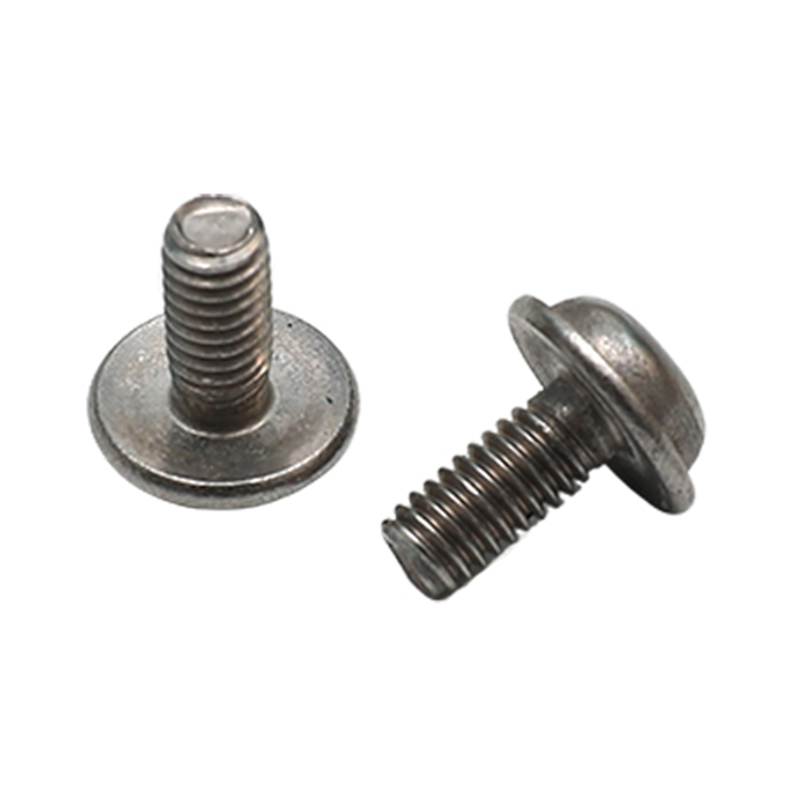
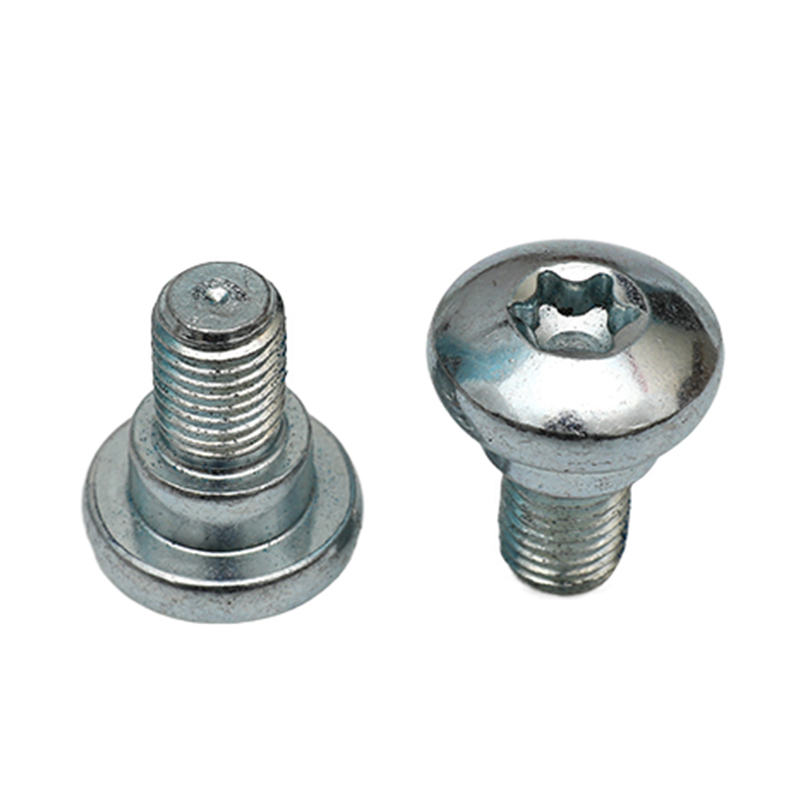
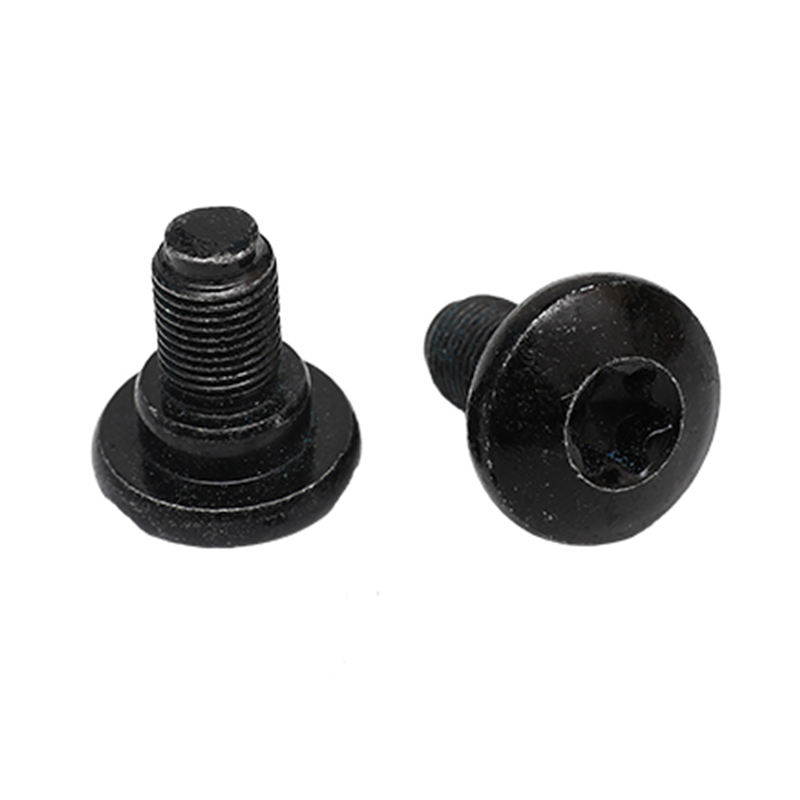
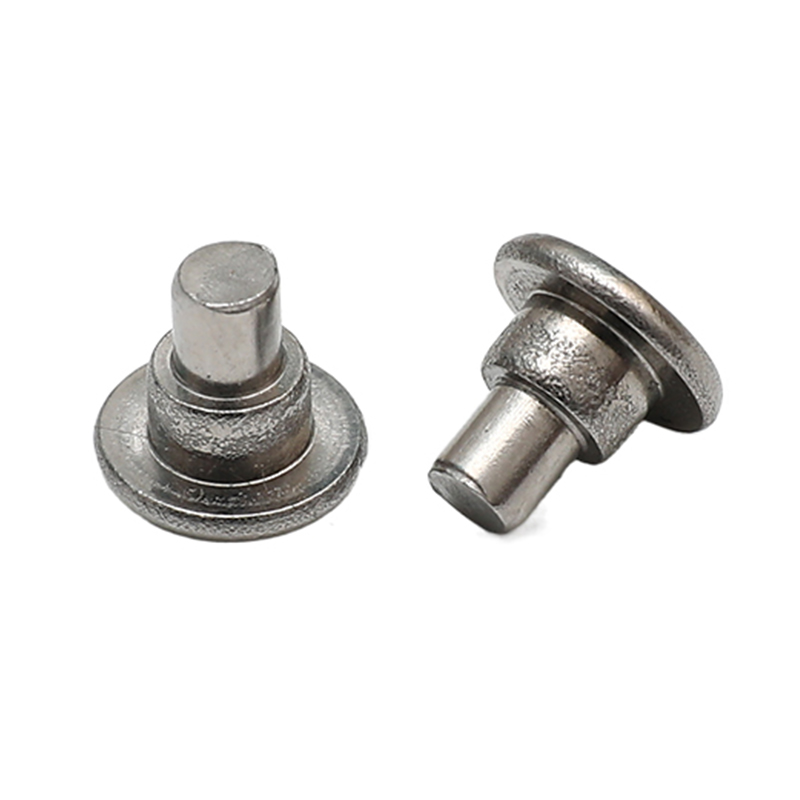
Many buyers confuse these two categories, but the distinction dictates fastening strategy. Use shoulder screws as pivots or guided stops where the unthreaded shoulder serves as a rotating shaft or precisely controlled spacer. Use step screws when you need a stepped diameter to locate components axially while the threaded section provides clamping – common in die stack assembly or sensor mounting brackets.
Comparison: shoulder screw vs. step screw functional focus
| Feature |
Shoulder Screw |
Step Screw |
| Primary role |
Rotary shaft / linear guide stop |
Axial locator + clamp |
| Tolerance critical on |
Shoulder outer diameter & length |
Step height & concentricity |
| Typical material hardness |
HRC 45–52 (wear-resistant) |
HRC 38–45 (balance) |
We’ve seen engineers incorrectly substitute a step screw for a shoulder screw, leading to binding in linear motion systems. Always cross-check the mating component’s intended contact surface – if lateral guidance is required, the shoulder screw’s full-length unthreaded portion is non-negotiable. At Suzhou Anzhikou, we help customers review assembly drawings to prevent such mismatches, leveraging our 20 years of industrial production and development experience.
Four Hidden Failure Modes in Non-Standard Step Screws (And How We Prevent Them)
1. Thread root cracking from cold heading residual stress
When producing step screws via cold heading, improper metal flow at the step transition creates micro-tears. Our solution: post-heading stress-relief annealing followed by thread rolling (not cutting) to maintain grain flow lines intact. We test random samples under a 60x microscope – no cracks allowed.
2. Shoulder screw neck radius under-design leading to fatigue
In cyclic loading applications (e.g., reciprocating press plates), shoulder screws with too small a fillet radius (r < 0.5mm) develop fatigue fractures within 50,000 cycles. We use finite-element analysis to recommend radii based on your actual load spectrum – a free service from our engineering team of 10 experienced technicians.
3. Inconsistent step height batch-to-batch
For multi-step screw stacks (e.g., stacking three step screws on a single locating pin), accumulated height variance of ±0.05mm per screw causes misalignment. We control step height to ±0.01mm using CNC grinding after heat treatment. "Optimize costs, improve speed" – but never at the expense of stack-up control.
4. Plating-induced hydrogen embrittlement on hardened step screws
Zinc or nickel plating shoulder screws harder than HRC 40 requires immediate baking (4+ hours at 190–220°C). Many suppliers skip this, resulting in sudden failure under load. We follow ISO 9588 baking protocols and provide process records per batch. It’s why our precision screws are exported to 40 countries – reliability is not optional.

.jpg "Dodávateľ z Číny ISO 7379 čierna šesťhranná skrutka s vnútorným šesťhranom")
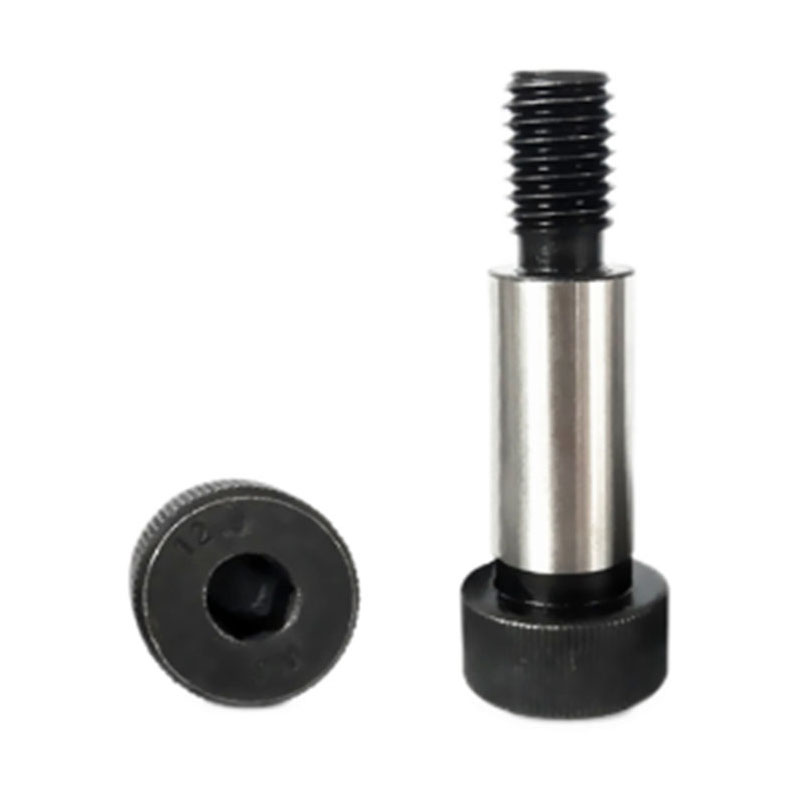
.jpg "Akčný predaj ISO 7379 nerezová skrutka M5 M6 s vnútorným šesťhranom")
.jpg "Nový dizajn neštandardné všetky položky ramenné skrutky")
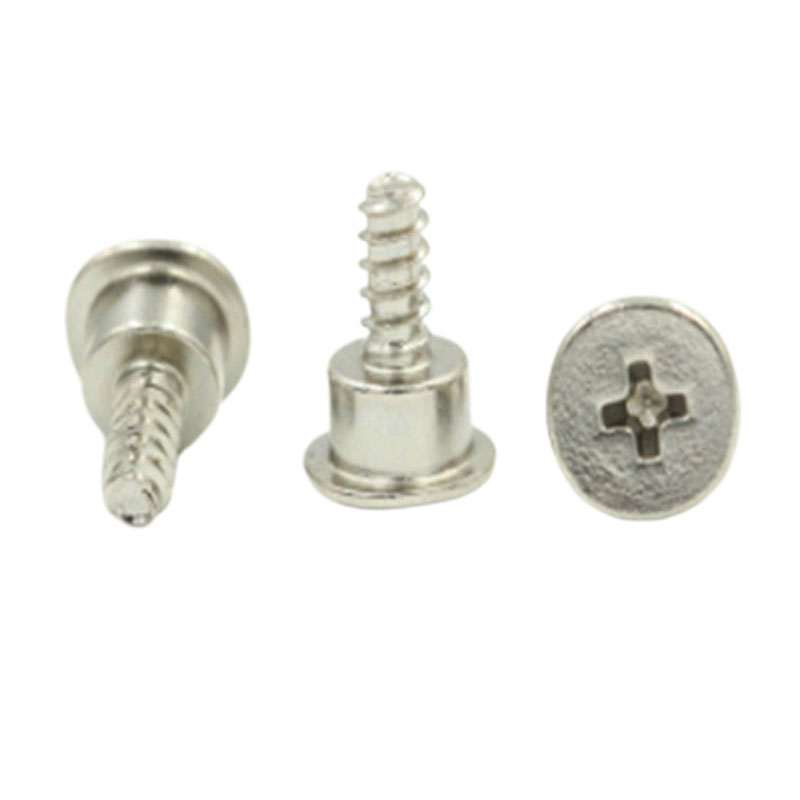
.jpg "Krížová malá mini skrutka na rameno z nehrdzavejúcej ocele")
.jpg "Špeciálna stupňovitá skrutka torx s veľkou hlavou vyrobená z nehrdzavejúcej ocele")
.jpg "Veľkoobchodná vlastná zásuvná skrutka s nízkou miskou hlavou ISO 7379")